CityUHK develops advanced sperm selection system with mainland research teams for a breakthrough in assisted reproduction
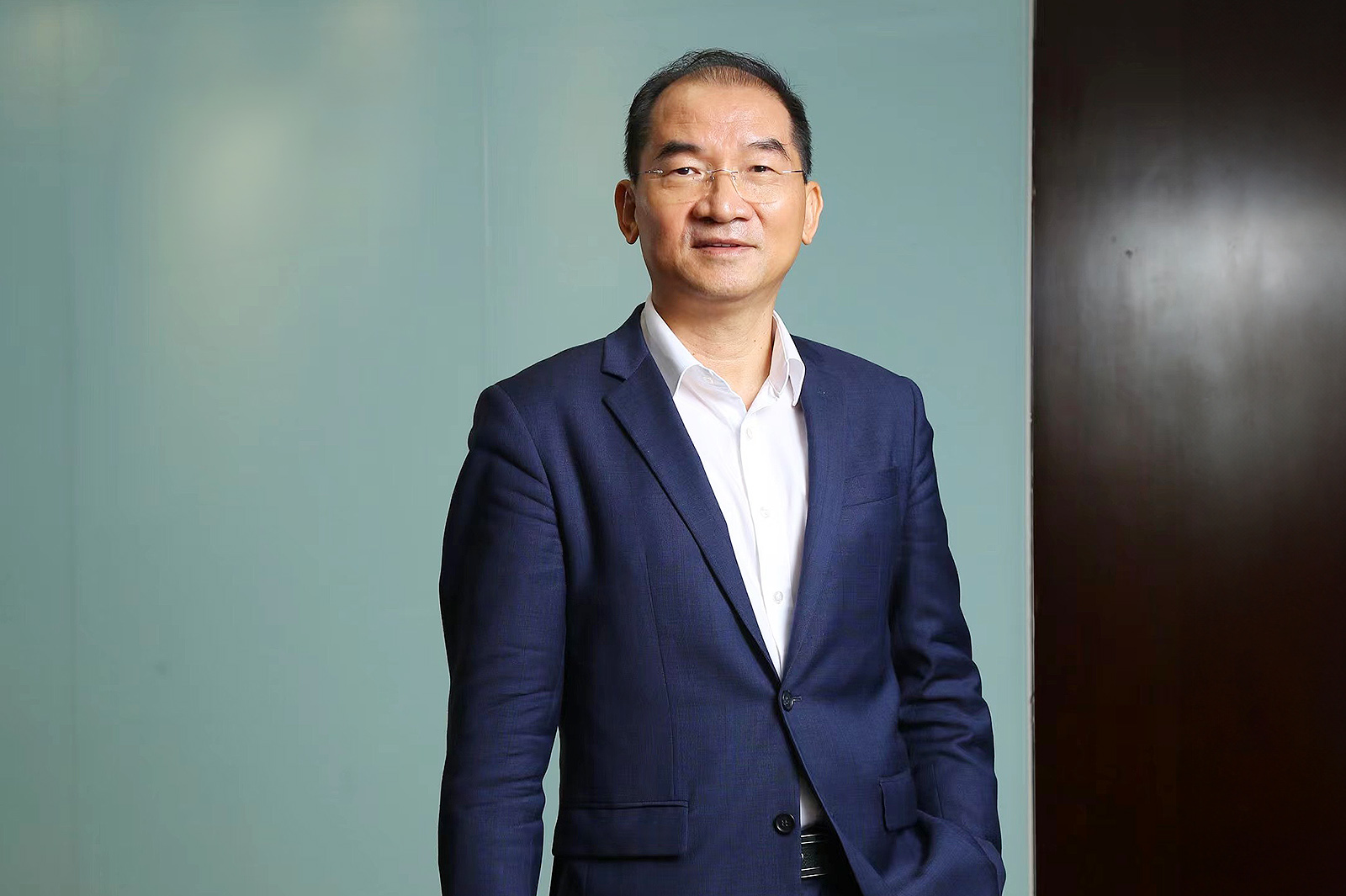
A City University of Hong Kong (CityUHK) research team led by Professor Michael Yang Mengsu, Senior Vice-President (Innovation and Enterprise), and Yeung Kin Man Chair Professor of Biomedical Sciences, collaborated with mainland cross-institutional and cross-disciplinary teams to develop a single-cell screening/selection system (BLASTO-chip), which is based on microfluidic droplet technology and transformable hydrogel material. The system can achieve automatic high-throughput, label-free selection of sperm, bringing hope to patients with asthenozoospermia, an infertility condition in which a man produces sperm with low motility.
The research was published in the scientific journal Med, under renowned publisher Cell Press.
Cell selection usually relies on using proteins or other molecules either on the cell surface or inside the cell as labels. However, the application of cell labels is limited in certain scenarios, making it impossible to identify certain cell types (e.g. circulating tumour cells and stromal stem cells), and the added markers for the labels may interfere with cell activity.
The research team utilised microfluidic droplet technology and transformable hydrogel material to analyse the metabolic activity of individual cells, effectively isolating and enriching specific cell populations. Sperm selection for assisted reproduction is the first application of the BLASTO-Chip system.
Sperm selection, a key step in assisted reproductive technology, is usually based on simple physical parameters, such as morphology or motility. Owing to extremely poor or completely absent sperm motility in patients with asthenozoospermia, the current technology can only "blindly select" potentially live sperm based on their morphology for subsequent fertilisation. The fertilisation rate for such blind selection is only 10–20%, compared to over 80% for normal sperm samples.
Therefore, there is a clinical need for an improved sperm-selection technology. As the selected sperm will be used for subsequent fertilisation, the improved technology must be label-free and intact. It is a significant technical challenge to detect biochemical activity without invasive procedures or causing damage to the sperm.
“We utilise microfluidic droplet technology to encapsulate individual sperm in droplets. The more vigorous sperm produce acidic metabolic substances through respiration, which promotes the transformation of the droplet into hydrogel, achieving the goal of screening high-quality sperm,” said Professor Yang.
The system can screen a high proportion of viable sperm from patient samples. For instance, for samples with only 1% live sperm, the average live-sperm percentage can be elevated dramatically to 76% after selection. The success rates of fertilisation, cleavage, early embryos and blastocysts were also significantly elevated.
Professor Xianjin Xiao, Department of Biliary-Pancreatic Surgery, Affiliated Tongji Hospital, Tongji Medical College, Huazhong University of Science and Technology, and co-corresponding author of the paper, said that the project combines novel bioanalytical techniques and smart biomaterials with cell physiological activity to achieve an automated, high-throughput, label-free sperm selection process. It fills an unmet medical need and has significant clinical potential.
Professor Yang added that the platform has been successfully applied to deterministic single-cell encapsulation, including high-throughput single-clone selection, and adipose stem cell isolation and enrichment. Taking advantage of the development opportunities presented by the Guangdong-Hong Kong-Macao Greater Bay Area International Science and Technology Innovation Center, the team aims to complete clinical validation as soon as possible to bring the product to market and contribute to human health.