百家乐怎么玩-澳门百家乐官网娱乐城网址_网上百家乐是不是真的_全讯网888 (中国)·官方网站

Mangrove research takes root in Shenzhen

Grace Ho


CityU's scientific forays into the Pearl River Delta Region span a wide range of subjects, from manufacturing engineering to information technologies to environmental conservation.

CityU's latest research effort on the mainland is the Futian-CityU Mangrove Research & Development Centre (FCMC), in Shenzhen's Nelingding Futian Nature Reserve. FCMC is the first R&D centre jointly founded by a national nature reserve and a Hong Kong university.

Over 70 academics, researchers, government officials and guests from Hong Kong, Macau and the mainland attended the FCMC's opening ceremony and subsequent Symposium on Mangrove Ecology and Conservation, 13 December.

Mangroves are important and valuable natural resources common to both Shenzhen and Hong Kong, according to Mr Liu Yingli, Vice-Mayor of Shenzhen Special Economic Zone in his opening address. "The launch of the FCMC will promote closer collaboration between the sister cities and will bring forth greater contributions in nature reserve management for our country."

Mr Liu unveiled the Centre's plaque at the ceremony, together with other officiating guests: Mr Liu Zhiping, Director (Forestry) of the Shenzhen Agriculture, Forestry and Fisheries Bureau; Mr Wang Yongjun, Deputy Director of Nelingding Futian National Nature Reserve Management Bureau; and CityU Vice-President (Administration) Professor Y S Wong.
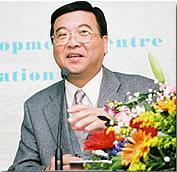
"FCMC's inception is the extension of a fruitful, long-term collaboration among CityU scientists, the Futian Nature Reserve and various universities in the mainland," renowned mangrove scientist and FCMC Director, Professor Wong said. "It is hoped that the Centre will serve as a platform for scholars and experts in the field from Hong Kong, mainland and all over the world, to work together on and contribute to the study and conservation of mangroves."

Beneficial to the public and to the region
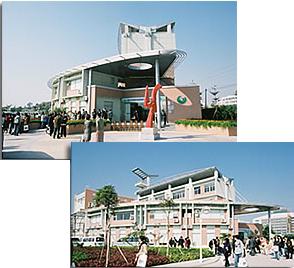

FCMC has a strong research team with scientists and scholars from well-known universities and institutions overseas and in the mainland, including CityU, Zhongshan University, Xiamen University, Fudan University, The Chinese Academy of Sciences' Institute of Botany, and Columbia University. FCMC is an open research centre and welcomes international scientists to collaborate with its principal investigators and to initiate projects related to mangrove research.


The FCMC occupies more than 600 square metres, comprising the Futian Mangrove Laboratory and other state-of-the-art facilities, providing research support for basic and applied mangrove-related work.


Current projects

l          To establish a database on understanding the animal diversity, community structure and ecosystem dynamics in Futian mangrove wetland;

l          To develop a constructed mangrove wetland system for domestic sewage treatment;

l          To promote of mangrove conservation and replanting technology;

l          To explore the economic values of mangrove plants;

l          To isolate bioactive compounds from mangrove plants and microbes; and

l          To investigate the ecophysiological role of endophytic fungi with potential applications in disease and insect control of mangrove plants.

"Public education is as important as research," stressed Professor Nora Tam, a respected mangrove scientist from CityU's Department of Biology and Chemistry, and FCMC's Associate Director. "We have plans to develop learning materials and teaching software for students and the general public to improve their understanding of the mangrove ecosystem and awareness towards environmental protection."

In recent years, some mangrove plants have been suggested for treating cancer and related diseases. However, scientific understanding in this area has been lacking. The FCMC will explore the commercial and medicinal values of these potential resources, and examine the growth and reproduction of mangrove plants, said Professor Tam..

Integral to the FCMC is the Futian Mangrove Laboratory, one of four research laboratories under the auspices of the Biotech and Health Centre-one of CityU's two Shenzhen Applied R&D Centres. Set up in July 2002 with support from the
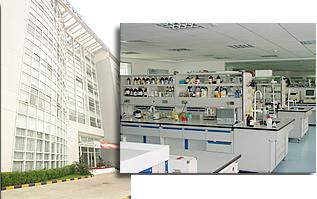
, the Shenzhen Applied R & D Centres aim to facilitate midstream to downstream research, and to foster technology transfer and the commercialization of research output pertinent to the economy of Hong Kong and the Pearl River Delta region. The Biotech & Health Centre conducts studies of wetlands for wastewater treatment, in addition to the development of traditional Chinese medicine and drugs, genomics and biochips, and of medical devices.

The Shenzhen Applied R&D Centres have been strengthening ties with other institutions and industries in order to maximize City U's research capabilities and technology transfer in the Pearl River Delta region. The Centres' efforts are bearing fruit: four joint laboratories have been established in collaboration with academic and research institutes; consultancy/technology service agreements worth RMB 850,000 have been secured; a biochip anti-cancer research project has been listed in the prestigious "863" nationally funded programme; and the Centres participate in nationwide hi-tech fairs and exhibitions to promote CityU's research work.

YOU MAY BE INTERESTED

Contact Information

Communications and Institutional Research Office

Back to top
bet365开户| 威尼斯人娱乐场注册| 网络百家乐输了很多钱| 龙都棋牌下载| 百家乐官网平台凯发| 电玩百家乐游戏机路单| 劳力士百家乐的玩法技巧和规则 | 云博投注| 百家乐官网电器维修| 南京百家乐电| 百家乐官网制胜方法| 罗盘24山图| 百家乐庄河闲的赌法| 云博娱乐城,| 博彩论坛18good| KK百家乐官网的玩法技巧和规则| 大发888 58| 噢门百家乐官网玩的技巧| 百家乐设备电子路| 百家乐官网光纤洗牌机如何做弊| 迪威百家乐娱乐平台| 泸西县| 百家乐澳门路规则| 真人赌博网站| 网上百家乐骗人的| 布尔津县| 百家乐扑克投注赢钱法| 边坝县| 做生意什么花风水好| 金龙博彩网| 百家乐发牌器8副| 沈阳市| 百家乐怎么刷反水| 沁源县| 百家乐赌机破解| 永胜县| 百家乐分析网| 百家乐官网技巧论坛| 最可信百家乐娱乐城| 尊龙百家乐官网娱乐网| 利高百家乐娱乐城|