Cancer breakthrough for drug delivery
Cathy Lau
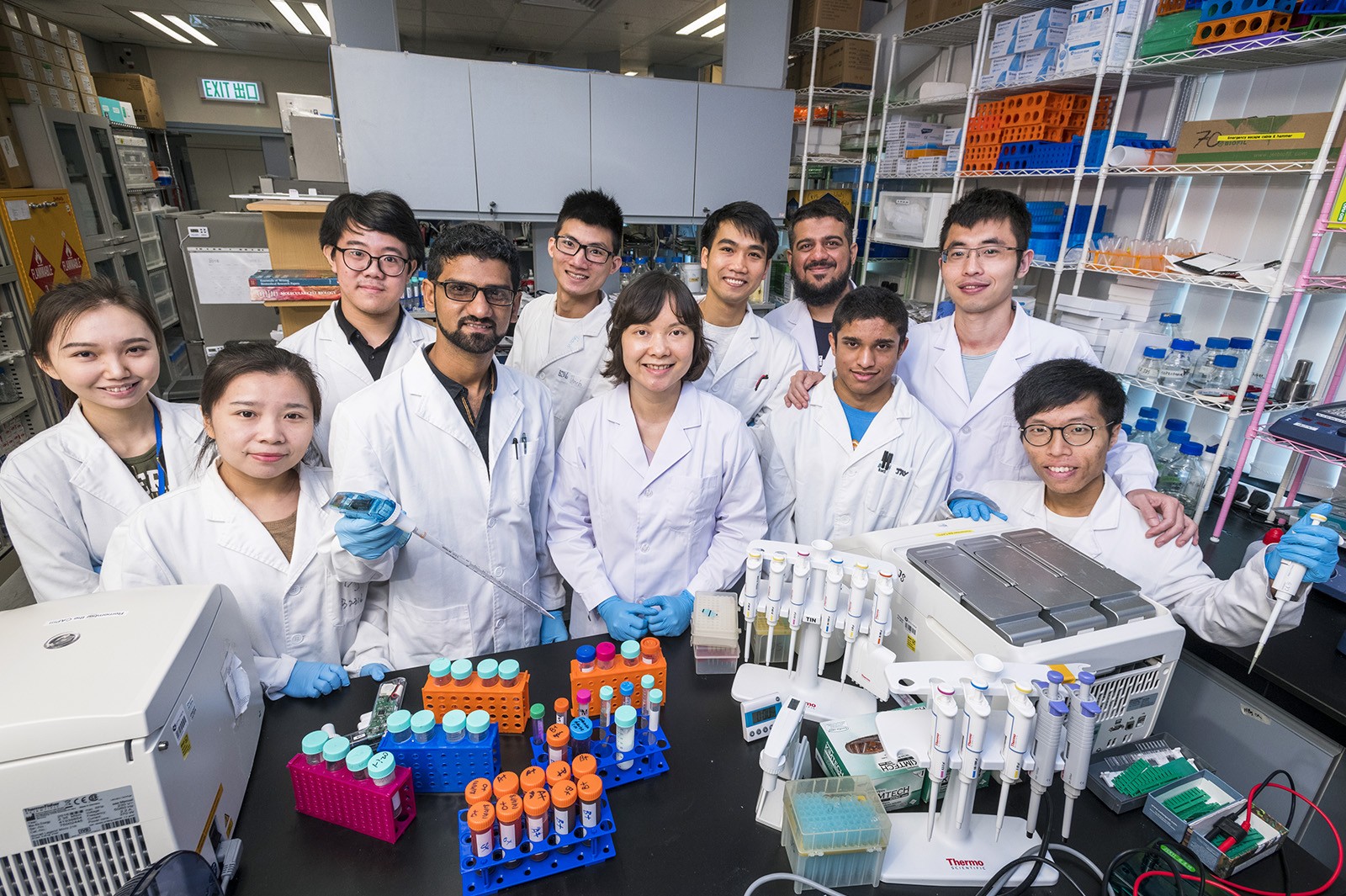
A new strategy to produce drug carriers for treating cancer with an efficiency rate as high as 80% has been devised by researchers at City University of Hong Kong (CityU).
The new and promising cancer-killing mechanism enables the production of highly pure extracellular vesicles (EVs) from red blood cells in large quantities and at one-hundredth of the usual cost, according to Dr Le Minh, Assistant Professor in CityU’s Department of Biomedical Sciences (BMS).
EVs facilitate intercellular communication by transporting proteins and other large molecules through the membrane between cells, which makes them good drug carriers.
“Previous studies have shown that EVs are especially good delivery vehicles for blood cells, but the biggest challenge was how to get enough EVs to deliver RNA drugs, which are expected to be a more effective treatment for cancer,” Dr Le said.
She said that the stringent purification methods required to produce the kind of EVs needed to deliver drugs to cancer cells were time-consuming and the yield was so low that billions of cells were needed to get sufficient EVs.
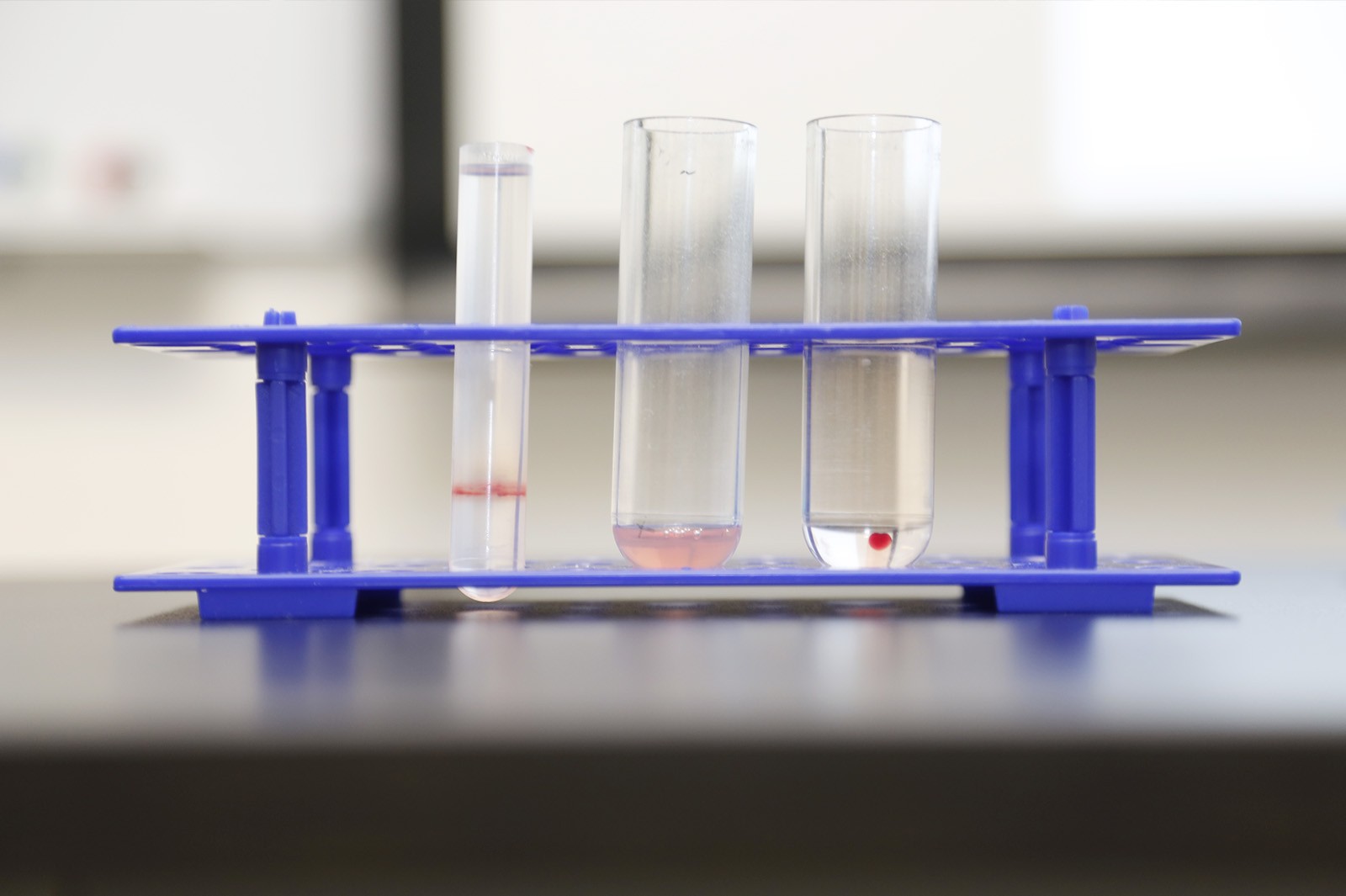
The innovation Dr Le’s team used to overcome this challenge involves using human red blood cells to produce the EVs.
“They are the most abundant cell type in the body and can be obtained relatively easily,” the CityU scientist said. “Moreover, they have been used routinely for blood transfusions for decades.”
The team took a sample of red blood cells and purified them using ultracentrifugation. To the team’s surprise, they found a thick layer of red EVs from a blood sample of only 50 ml.
Dr Le said that over 1,000 times as many EVs were produced at one-hundredth the cost using the method optimised by the team compared to the existing method.
In addition, the team found that 80% of the leukemia cells exposed to these EVs from red blood cells were fluorescence positive, i.e. RNA drugs were delivered to 80% of the cancer cells, with no side effects when it tested the uptake and distribution of the red blood cells-derived EVs on mice.
The findings, which were published in Nature Communication in June under the title “Efficient RNA drug delivery using red blood cell extracellular vesicles”, showed that red blood cells-derived EVs are a simple, efficient platform for RNA drug delivery, and are safe, scalable and applicable to any gene therapy.
The composition of the team underlines the highly collaborative approach to research at CityU. Dr Le said her team’s discovery was the rich fruit of collaboration with a team led by Dr Shi Jiahai, Assistant Professor of BMS. Dr Shi’s focus is novel RBC therapies.
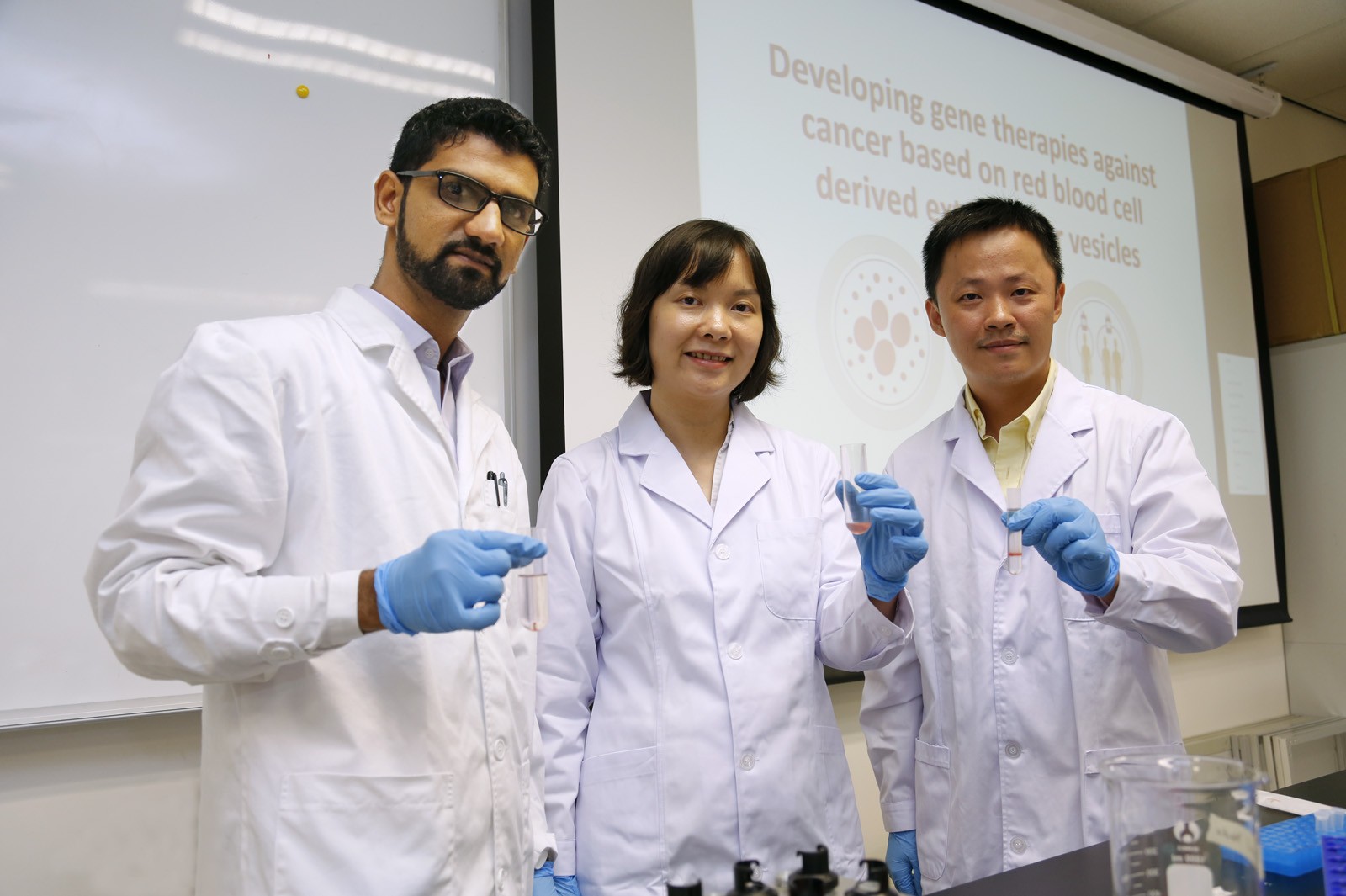
Dr Le thanked Hong Kong’s Queen Elizabeth Hospital and Queen Mary Hospital, and the Genome Institute of Singapore for their support. “Without it, we couldn’t have achieved such promising results in such a short period of time,” Dr Le said. She also thanked her students, including Waqas Muhammad Usman, the first author of the article, and collaborators for their efforts.
The team is currently working on the further characterisation and modification of red blood cell-derived EVs in order to completely equip the platform for cancer-specific delivery of gene therapies.